

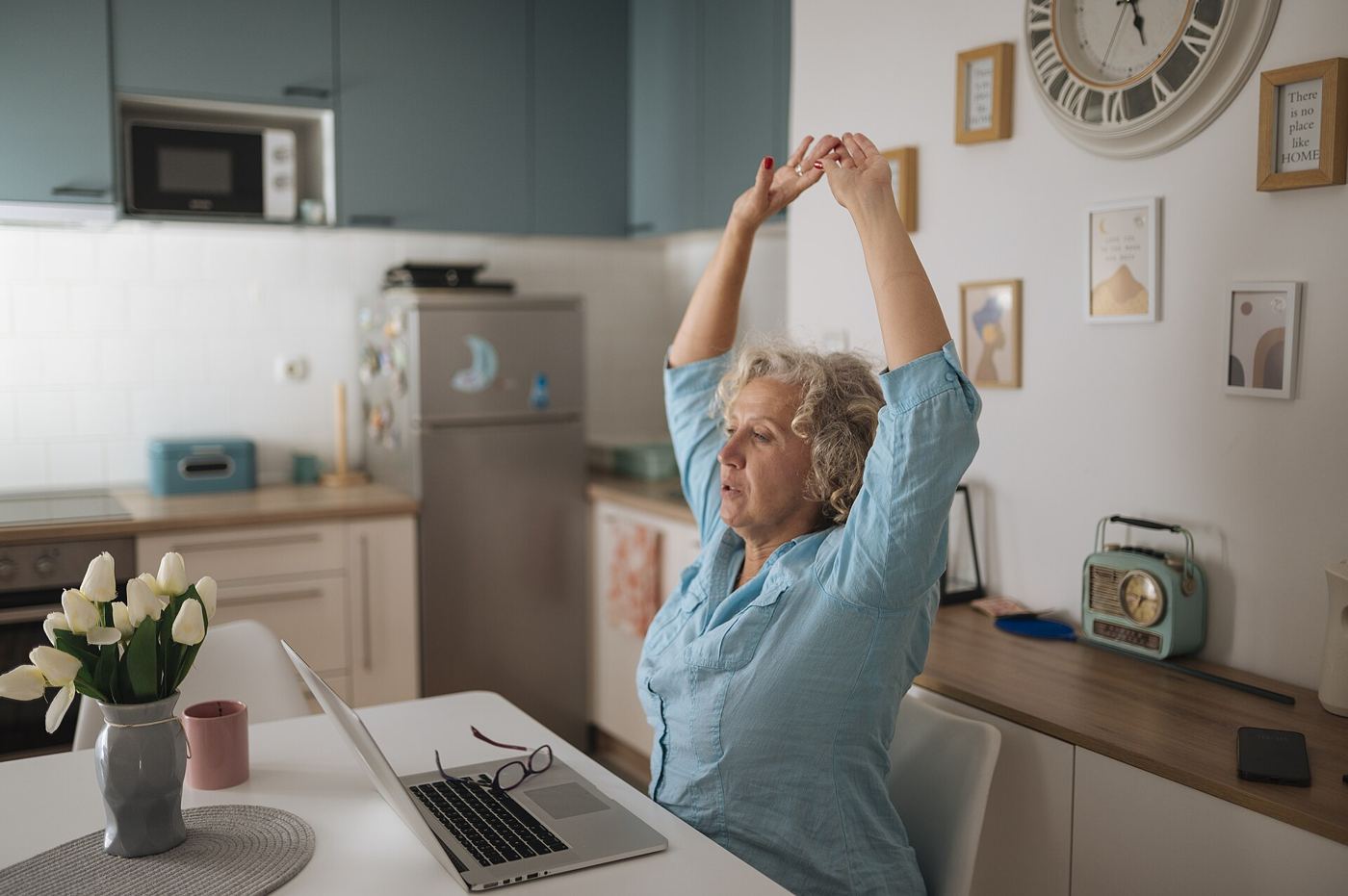
Getting outdoor light and gentle movement soon after waking may help people feel more alert earlier in the day, according to researchers studying how morning routines influence the body clock and mood. In their work, participants who spent time in daylight within the first part of the morning, combined with light stretching or an easy walk, reported clearer thinking and less lingering grogginess than on days when they remained indoors under artificial light. Scientists explain that bright morning light is one of the strongest signals for the internal clock, helping to set the timing of alertness during the day and sleepiness in the evening. Movement adds a complementary signal, raising body temperature and circulation after the natural overnight dip that contributes to sleep inertia on waking. The routines studied were intentionally modest, because researchers wanted habits that people with busy schedules, limited mobility, or poor weather could adapt rather than admire from a distance. Even opening curtains, standing by a bright window, and moving gently for a few minutes appeared more helpful than remaining in dim conditions while scrolling through a phone in bed.
What the Evidence Shows
Participants who maintained the routine for several weeks described their mornings becoming more predictable, with appetite, concentration, and energy arriving at more consistent times across the day. Psychologists involved in the research note that predictability itself can improve mood, because people can plan demanding tasks for periods when they know they will feel capable. For those unable to get outside early, due to darkness, weather, or work patterns, bright indoor lighting and movement at home were presented as reasonable alternatives, with an outdoor walk later in the morning still adding benefit. The studies also found that people were more likely to keep the habit when it was attached to an existing routine, such as making tea, taking children to school, or walking part of a commute, rather than scheduled as a separate wellness appointment. Researchers caution against viewing morning difficulty in isolation, since persistent exhaustion may reflect poor sleep, health conditions, or excessive demands that require broader attention. Their overall message, however, is encouragingly practical for anyone whose mornings regularly feel heavier than they should. Reporting and analysis from sources such as American Psychological Association track the same developments, and specialists following morning light and movement say the direction is now consistent across independent lines of evidence.
The Wider Context
The wider context is a discipline rebuilding confidence through replication and pre-registration, and findings on morning light and movement are being reported with their effect sizes and limits attached. That honesty can make results sound smaller than the headlines of a decade ago, but the effects that survive are the ones practitioners can responsibly build on.
What Happens Next
What happens next in research on morning light and movement is a turn toward real-world trials: longer, larger and conducted in the schools, workplaces and clinics where the findings are meant to apply. Psychologists are also studying individual differences more seriously, because average effects conceal the people for whom an approach works powerfully and those it leaves cold. Both shifts make the science slower and more useful. You can follow related developments in our coverage of psychology.
There is a practical lesson in all of this for readers deciding what to do today. Start with the verified facts, be wary of anyone promising certainty, and prefer reversible steps while the evidence is still developing. Circumstances differ by country, income and personal situation, so general guidance should always be weighed against your own context before you act on it in any significant or lasting way.
