

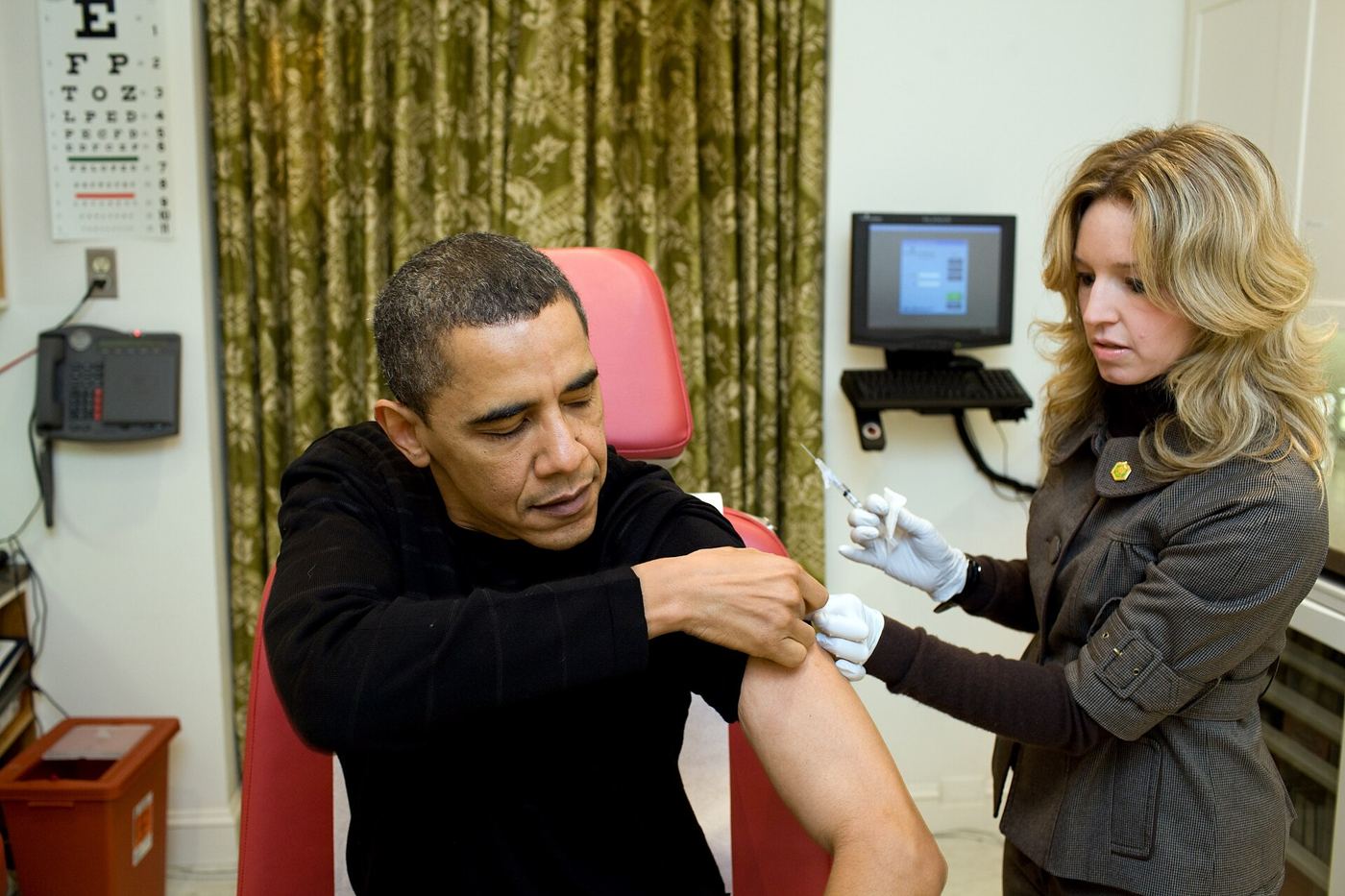
A vaccine is a lesson for the immune system, taught before the real illness arrives. Most vaccines contain a weakened or harmless part of a germ, such as a dead virus, a single protein from its surface, or the instructions for making that protein, and the body responds by producing antibodies and training memory cells that recognise the invader. If the real germ appears later, the trained immune system can respond within hours instead of days, often stopping the illness before it starts or making it far milder. The idea was proved more than two centuries ago, when Edward Jenner used cowpox to protect people against smallpox, and vaccination has since wiped out smallpox entirely and brought polio close to extinction.
What the Evidence Shows
Modern vaccines come in many forms, from the weakened viruses used against measles to the messenger RNA vaccines developed for Covid-19, which carry instructions for a cell to build a harmless piece of the virus. Each type is tested in stages, first for safety in small groups and then for effectiveness in trials involving tens of thousands of volunteers, before health authorities approve it for use. Vaccination also protects people who cannot be vaccinated themselves, since high coverage in a community slows the spread of disease and shields the vulnerable. Researchers are now working on vaccines against malaria, tuberculosis and even some cancers, and on ways to make vaccines that need no refrigeration, so they can reach remote villages. The simple idea of teaching the body in advance remains one of medicine’s greatest successes. Reporting and analysis from sources such as Nature track the same developments, and specialists following the vaccines training the immune system say the direction is now consistent across independent lines of evidence.
The Wider Context
The wider context is a research landscape in which replication and open data now decide reputations. Findings connected to the vaccines training the immune system are being checked by independent groups with shared datasets, and the teams involved publish their methods in full so rivals can test every step. That discipline is slower than a headline cycle, but it is why results in this area increasingly survive first contact with scrutiny.
What Happens Next
What happens next in the story of the vaccines training the immune system will be decided by follow-up work already under way: larger samples, longer observation and instruments that have not yet come online. The researchers involved are unusually united on one point, that the current results justify the next investment of time and money. Readers will not have to wait long for the first tests of that claim. You can follow related developments in our coverage of science.
None of this will be settled by a single announcement, study or product launch. The pattern to watch is accumulation: independent confirmations, honest reporting of failures and steady improvement in the underlying numbers. Readers who follow those signals, rather than the loudest claim of the week, will understand this subject better than most of the commentary surrounding it suggests is possible.
