

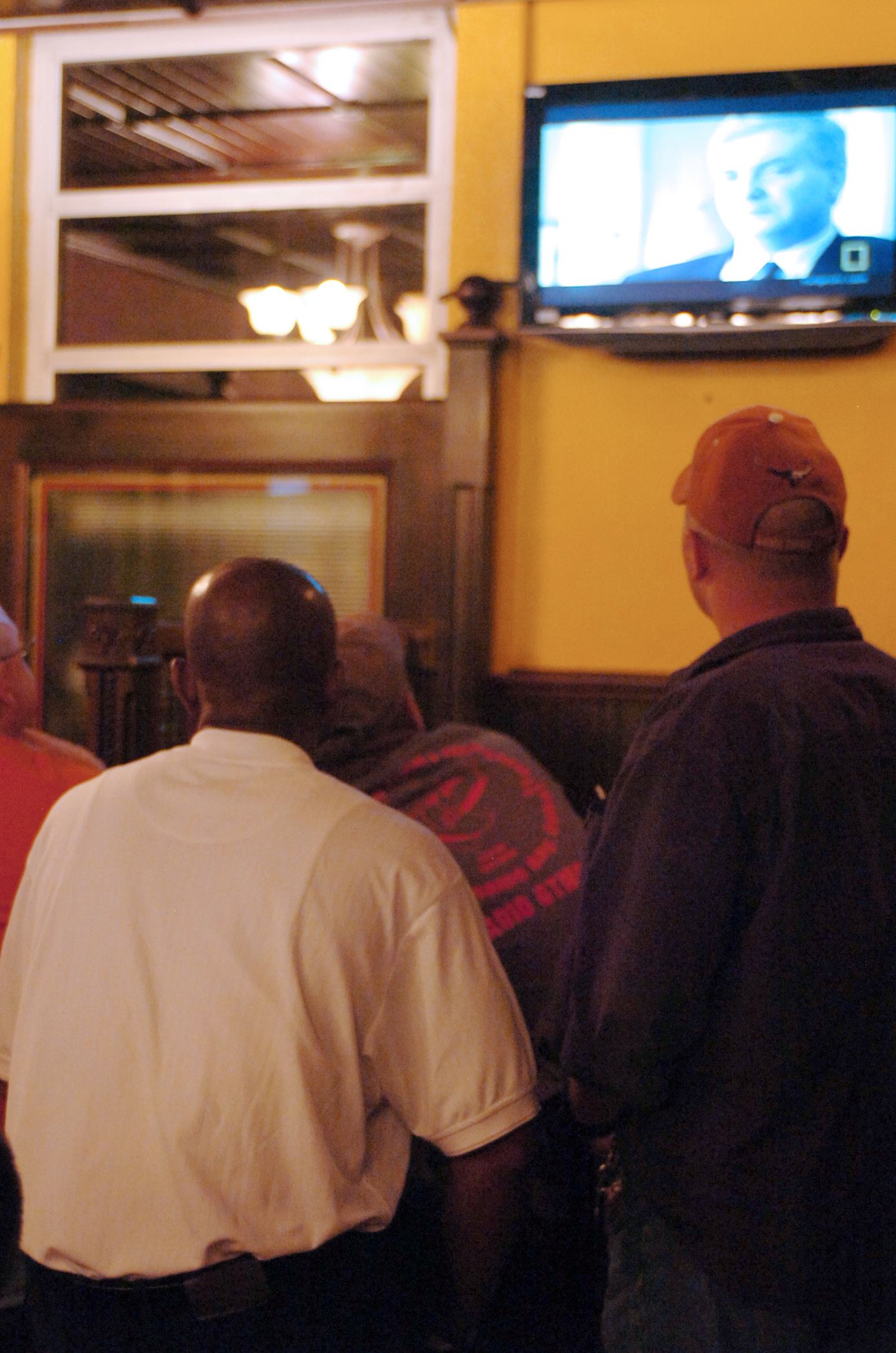
Millions of people spend their evenings watching documentaries about murders and mysteries, even though the stories are often grim, and psychologists say the fascination is older and more understandable than it seems. The main draw, researchers say, is curiosity, since the human brain is built to notice threats and to learn from danger, and a crime story offers a safe way to study how bad things happen. Watching from the sofa, we can ask how the crime was discovered, what warning signs were missed, and what we would do in the same situation, all without any real risk. The stories also offer a puzzle, with clues to follow and a resolution that real life rarely provides, which satisfies the mind’s love of order. Some viewers say they watch to feel prepared, learning how to stay safe, while others are drawn to the psychology of the people involved, trying to understand what drives someone to harm another.
What the Evidence Shows
Psychologists say the interest is normal, though they add that it has a shadow side, since a steady diet of violent stories can make the world feel more dangerous than it is. They suggest noticing how the stories make you feel, and taking a break if the viewing leaves you anxious or unable to sleep. The appeal also lies in empathy, researchers say, since many viewers are moved by the victims and their families, and by the search for justice that runs through the best stories. The genre’s popularity has also changed how cases are investigated, with amateur sleuths online sometimes helping, and sometimes hindering, real inquiries. For most viewers, though, the pleasure is simpler: a mystery to solve, a story to follow, and the relief of closing the laptop knowing that the danger stayed on the screen. Reporting and analysis from sources such as American Psychological Association track the same developments, and specialists following the pull of true crime say the direction is now consistent across independent lines of evidence.
The Wider Context
The wider context is a discipline rebuilding confidence through replication and pre-registration, and findings on the pull of true crime are being reported with their effect sizes and limits attached. That honesty can make results sound smaller than the headlines of a decade ago, but the effects that survive are the ones practitioners can responsibly build on.
What Happens Next
What happens next in research on the pull of true crime is a turn toward real-world trials: longer, larger and conducted in the schools, workplaces and clinics where the findings are meant to apply. Psychologists are also studying individual differences more seriously, because average effects conceal the people for whom an approach works powerfully and those it leaves cold. Both shifts make the science slower and more useful. You can follow related developments in our coverage of psychology.
There is a practical lesson in all of this for readers deciding what to do today. Start with the verified facts, be wary of anyone promising certainty, and prefer reversible steps while the evidence is still developing. Circumstances differ by country, income and personal situation, so general guidance should always be weighed against your own context before you act on it in any significant or lasting way.
