

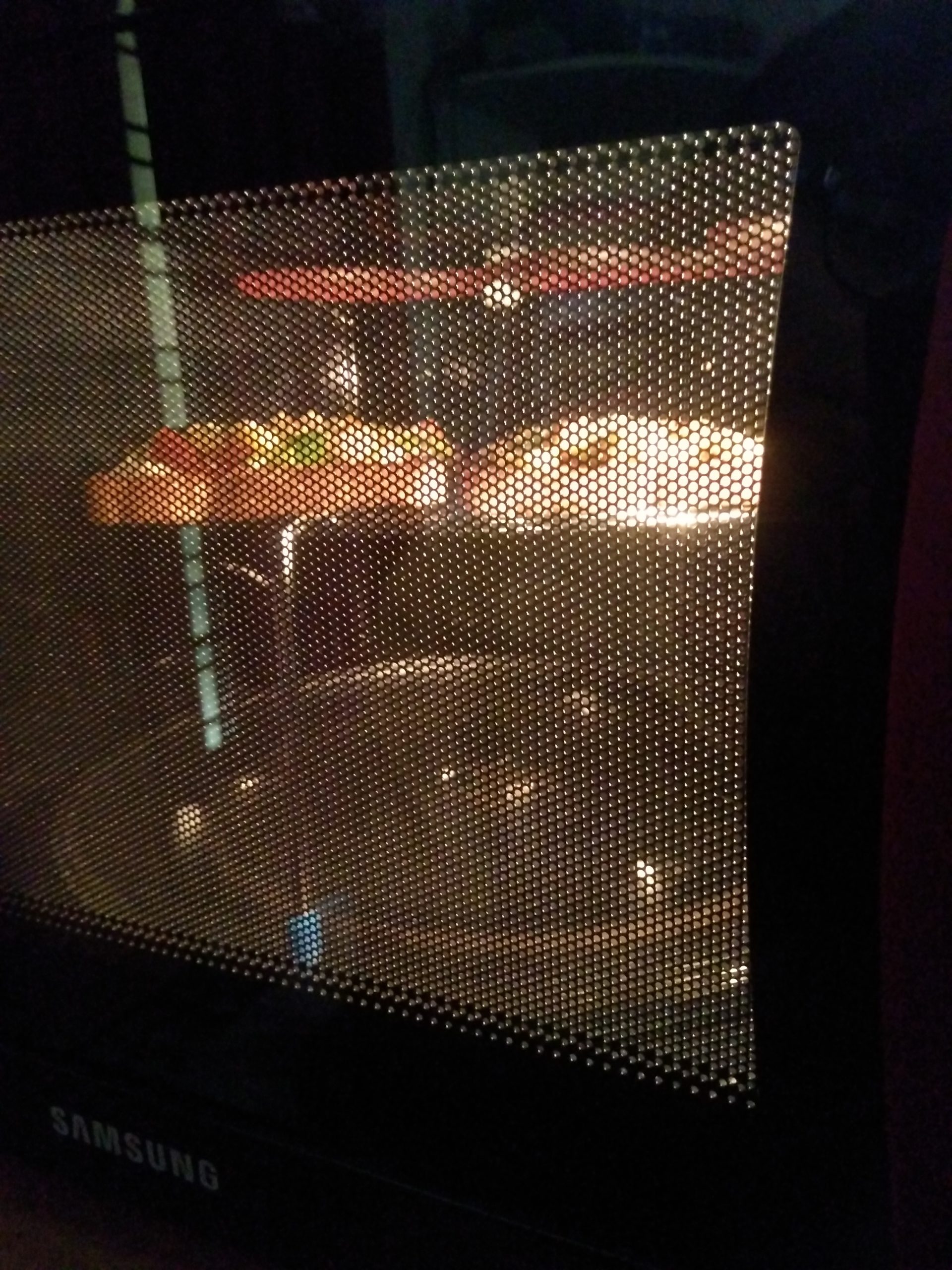
Most ovens receive attention only when something goes wrong. A roast burns, a cake sinks, or an error code appears, and only then does the appliance get a proper look. A seasonal maintenance routine changes that pattern. By giving your oven a short, structured check four times a year, you can catch wear early, keep cooking results consistent, and extend the working life of an appliance that is used almost every day. The routine does not need to be long or technical, and it does not require special tools. It simply needs to be regular, and it helps to follow a clear checklist, such as the maintenance guidance offered by ovendown.
Why seasonal checks work better than annual ones
A year is a long time in the life of an oven. Grease builds up, seals flatten, vents become blocked, and small faults develop gradually, so by the time an annual clean arrives, the problem may already be affecting performance. Seasonal checks break the job into manageable pieces and tie it to a rhythm you can remember, such as the start of each season. Each check takes less than an hour, and because you are looking at the same points each time, changes stand out more clearly. A seal that was supple in spring but brittle by autumn tells you something useful, even if you cannot name the exact cause.
Spring: deep clean and fresh start
Spring is a good time for a thorough clean. With the oven cool and isolated from power, remove the racks and clean them separately, following your manual for safe methods. Wipe the cavity with a mild cleaner suitable for your model, paying attention to the floor, walls, and door glass, but avoiding heating elements, sensors, and gas burners unless the manual says otherwise. Clean the vents and the area around the door, and remove crumbs from the bottom of the cavity.
Summer: ventilation, airflow, and light use
Summer cooking is often lighter, but heat and humidity still affect the oven. Check that ventilation around a built-in oven is not blocked by stored items, and that the kitchen extractor, if you have one, is clean and working. Grease in an extractor filter can affect airflow and odours, so cleaning it is part of oven care, even though it sits outside the cavity. Check that the oven door and handle are not loose after months of daily use, and that the control panel responds normally.
This is also a good season to test temperature accuracy, because a hot kitchen can mask or exaggerate a calibration drift. Place an oven thermometer in the centre of the middle rack, preheat fully, and compare the reading with the set temperature. If the difference is consistent, note it for future baking and consider whether a calibration adjustment is available on your model. Summer is also a sensible time to check the manual for your oven’s cleaning cycle, if it has one, and to confirm that you are using it correctly and not overusing it, since frequent high-temperature self-cleaning can stress seals and electronics.
Autumn: prepare for heavy baking
Autumn is the time to prepare for the heaviest baking season of the year. Repeat the seal check and the paper test, in which you close the door on a thin piece of paper at several points and check that it is gripped evenly. Inspect the racks for warping or damaged coating, and check that they slide smoothly. Test the fan, if your oven has one, listening for unusual rattling or grinding that might suggest a bearing or obstruction. Confirm that all cooking functions, including conventional bake, fan bake, and grill, still work as expected.
Winter: safety, efficiency, and gentle care
Winter places the greatest demand on many ovens, with long roasts, batch baking, and frequent use. During this season, focus on safety and efficiency. Never use the oven as a room heater, and never leave it unattended for long periods while cooking. Check that smoke alarms in the kitchen are working, and that the area around the oven is clear of tea towels, paper, and other flammable items. After heavy use, allow the oven to cool before wiping spills, so that sugar and fat do not bake into stubborn, smoky layers.
Winter is also a good time to review energy use. A well-sealed door, a clean cavity, and correct rack placement all help the oven reach temperature efficiently. Avoid opening the door repeatedly during cooking, because each opening drops the temperature and extends cooking time. If you are baking several dishes, plan the order so that the oven is used efficiently, and let residual heat finish dishes that only need gentle warming. These habits protect both the appliance and your energy bill, and they make winter cooking more predictable.
Keeping a simple maintenance record
A maintenance record does not need to be elaborate. A single page or note on your phone, updated each season, is enough. Record the date, what you cleaned, what you inspected, the thermometer reading if you tested it, and anything you replaced. Over a year, that record becomes a useful history: you will see how quickly a seal wears, whether temperature drift is increasing, and whether a recurring problem needs professional attention rather than another clean.
Seasonal maintenance is not about becoming an appliance expert. It is about giving a hard-working appliance regular, unhurried attention, catching small problems before they become failures, and cooking with confidence all year round. Clean in spring, check airflow in summer, prepare in autumn, and cook safely in winter, and your oven will reward you with steadier temperatures, better results, and a longer working life. For more detailed seasonal guidance and troubleshooting steps, see the resources at ovendown.org.
